

Loteria: A Cultural Exploration of a Mexican Tradition
The game of Loteria has long been a beloved pastime in Mexican culture, captivating audiences with its vibrant images and rewarding gameplay. This traditional game, often referred to as the Mexican version of bingo, holds a special place in the hearts of many. It combines elements of chance, culture, and a sense of community, bringing people together for an engaging experience.007game
The Origins of Loteria
Loteria, which means "lottery" in Spanish, traces its roots back to Italy in the 15th century. Over time, it spread to Spain where it gained popularity and later reached Mexican shores in the late 18th century. The game has since evolved to reflect Mexican culture, incorporating iconic images and themes that capture the essence of daily life and tradition.
The Cards and Their Significance
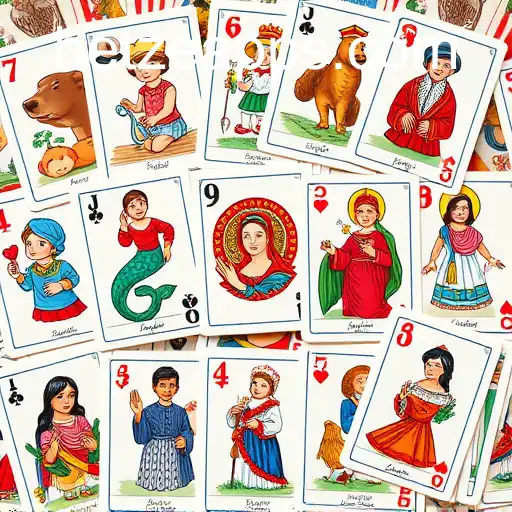
At the heart of Loteria are the vibrant and distinctive cards, each marked with an image accompanied by a corresponding name or concept. These images are rich in cultural significance, depicting everything from livestock to religious symbols, and items found in nature. The most iconic set of imagery used in Loteria today stems from the version created by Frenchman Don Clemente Jacques in 1887, featuring 54 cards.gc987
Classic Icons
The classic deck includes images such as "La Sirena" (The Mermaid), "El Catrin" (The Gentleman), and "La Dama" (The Lady). Each card tells a story, connecting players to cultural narratives that transcend simple gameplay, allowing them to engage with the rich tapestry of Mexican identity. The cards act as a reflection and reinforcement of social and moral values observed in Mexican history and folklore.
The Role of the Betze
Among these captivating cards, the term "betze" does not have a direct equivalent in Loteria, but can be generally associated with the concept of gambling or betting within the game's context. While Loteria is mainly a game of chance, participants often add an element of excitement by wagering small stakes, making it more thrilling and engaging for players.
Playing the Game
The structure of Loteria is simple yet invigorating. Each player is given a tabla, a card with a grid featuring random images from the Loteria deck. A cantor, the caller, then selects randomly drawn cards from a deck and announces them to players, who aim to match the called images with those on their tabla. The goal is to cover a designated pattern, often a row or full card, and shout "Loteria!" to claim victory.
The Importance of the Caller
The role of the cantor is crucial to the experience, adding charisma and liveliness to the game. Cantores often chant or sing unique riddles and verses that correspond to the cards being called, enhancing the cultural tapestry of the game while creating a lively and enjoyable environment for participants.
Loteria's Role in Modern Culture
While Loteria remains deeply rooted in traditional Mexican culture, its influence has permeated modern society, continuing to be an essential feature at social gatherings, family events, and celebrations. The game transcends generations, appealing to young and old alike with its straightforward rules and enchanting imagery.operapg.com
A Cultural Bridge
In addition to being a staple in Mexico, Loteria's reach has expanded into the United States and other countries as well, acting as a cultural bridge that connects Mexican communities with their heritage and introduces others to vibrant Mexican traditions.19bet.com
Conclusion
Loteria is more than just a game; it is a vibrant expression of Mexican culture and a symbol of shared identity and tradition. Its colorful cards and engaging gameplay continue to capture the hearts of players worldwide, ensuring that this treasured pastime will endure for generations to come.
66AA